Waldsurvival
Restart
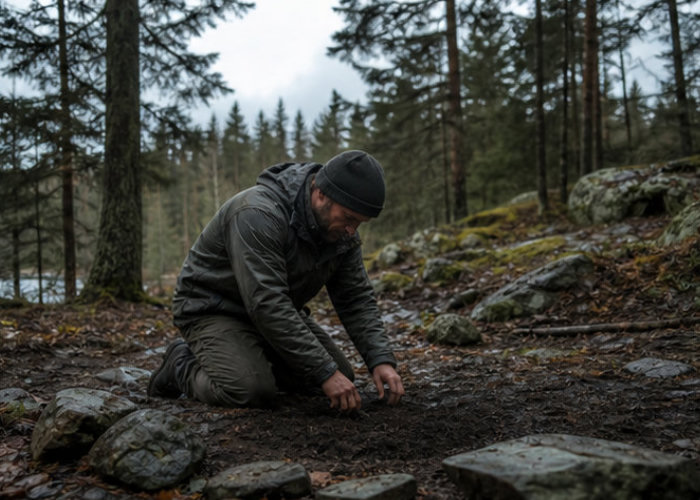
Lost in the forest

Du bist allein, kalt und weit weg von zu Hause.

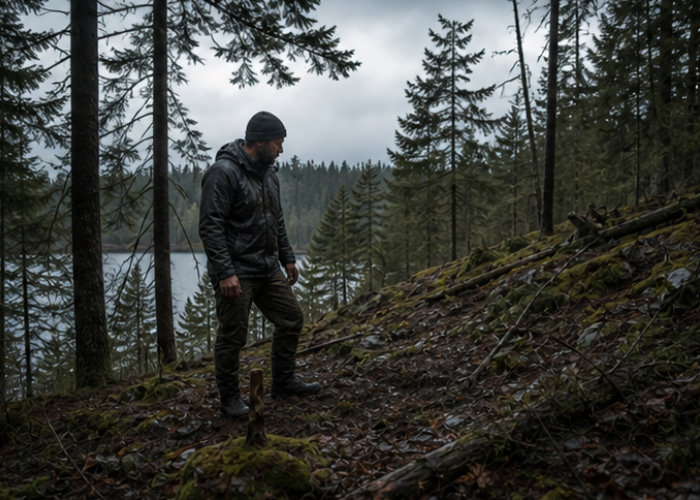
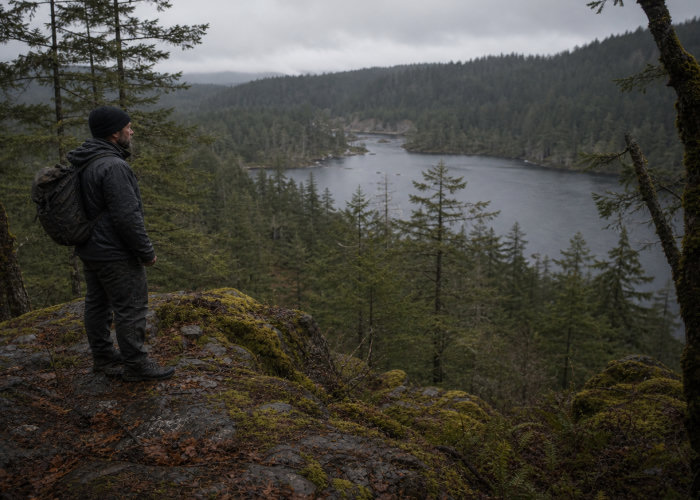
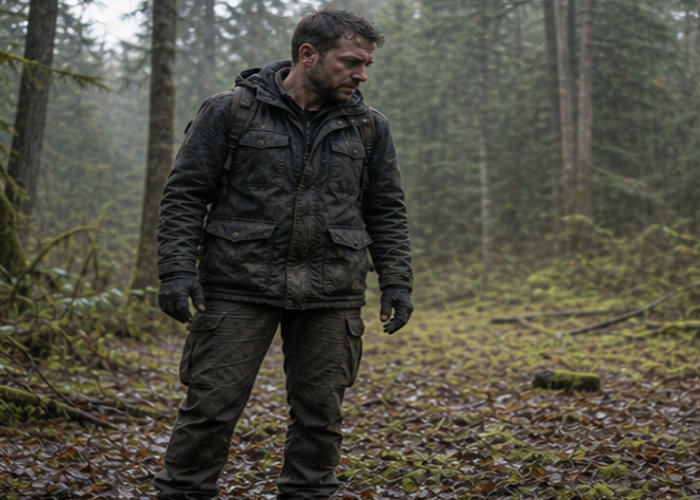
You are lost in a dense jungle-like forest. Daylight is fading, your phone has no signal, and you need calm, clear steps to stay safe until you can get out.

Ausgangslage

Nicht in Panik geraten. Dein Ziel ist nicht, alles sofort zu lösen. Schütze deinen Körper, triff kluge Entscheidungen und gehe Schritt für Schritt vor.

Priority 1

Stay warm and create a small safe base.

Priority 2

Protect your energy and avoid bad decisions.

Priority 3

Find water, direction, and a realistic way home.

Branching game

Choose your next move

Every decision shifts the map, your condition, and the ending. Stay warm first, then water, then direction.

Scene 1

Field journal

Recent notes

Step by step

What to do first

Start with fire. Then move through the next steps in order. Each part explains why it matters, how to do it, and what to keep in mind.

Step 1
Next step

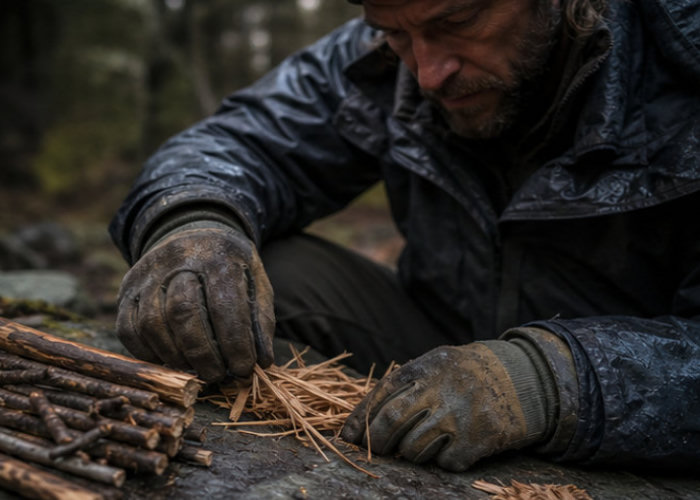
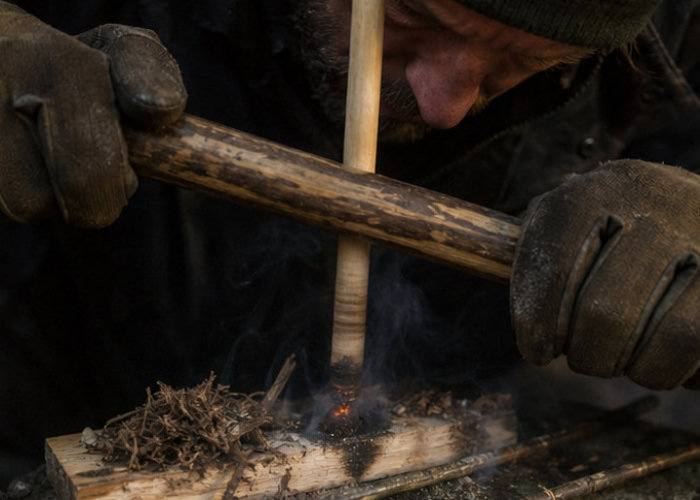
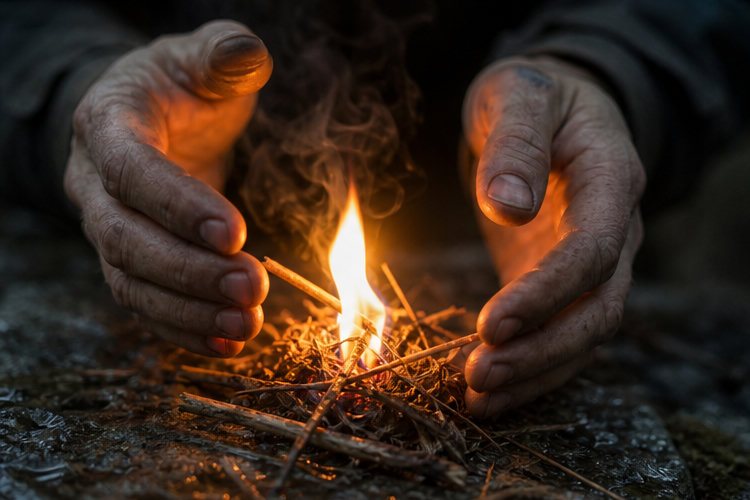
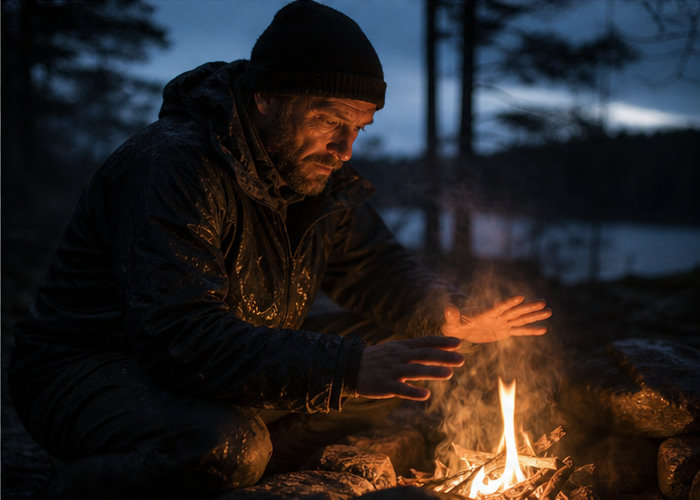
Make a fire

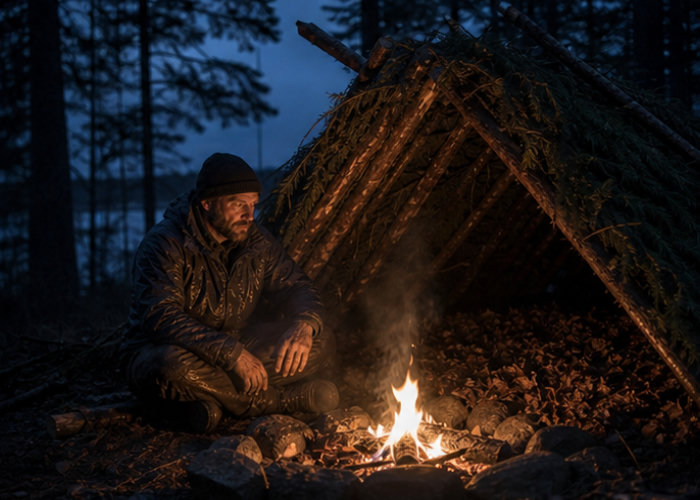
Fire gives heat, light, comfort, and a signal for rescuers. It also helps dry wet clothes and keeps your body and mind working better when the temperature drops.

How to do it

  • Pick a dry place that is protected from strong wind.
  • Collect tinder first, then thin sticks, then thicker wood.
  • Light the tinder and feed the fire slowly so it does not choke.

Keep in mind

  • Never start a fire under low branches or on deep dry leaves.
  • Build it small at first. A controlled fire is better than a large one.
  • Keep extra dry fuel nearby before darkness comes.
Step 2
Next step

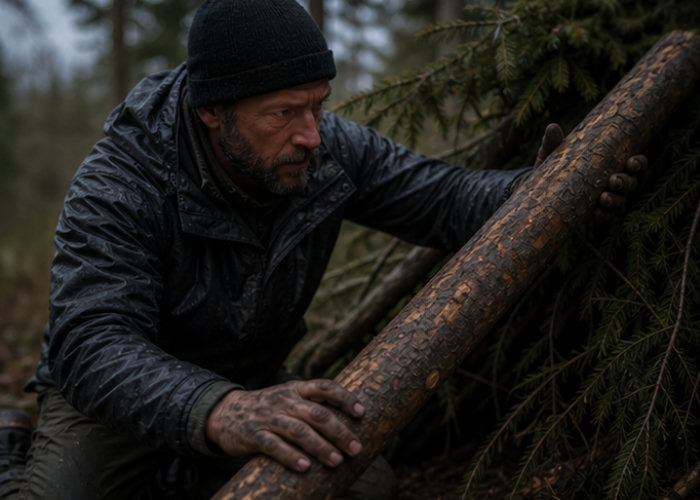
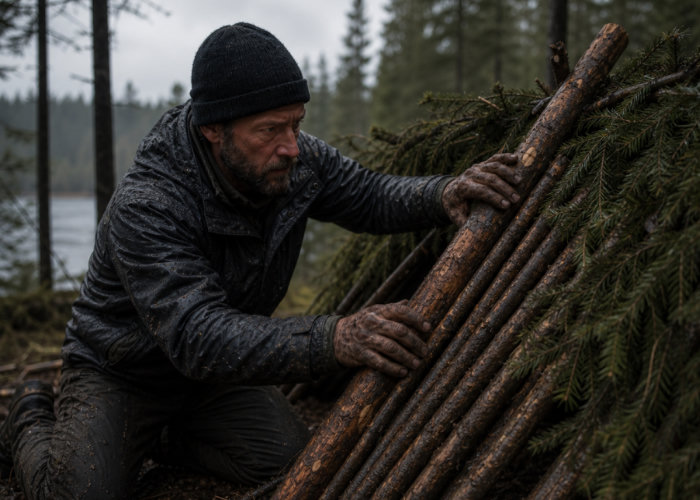
Build a shelter

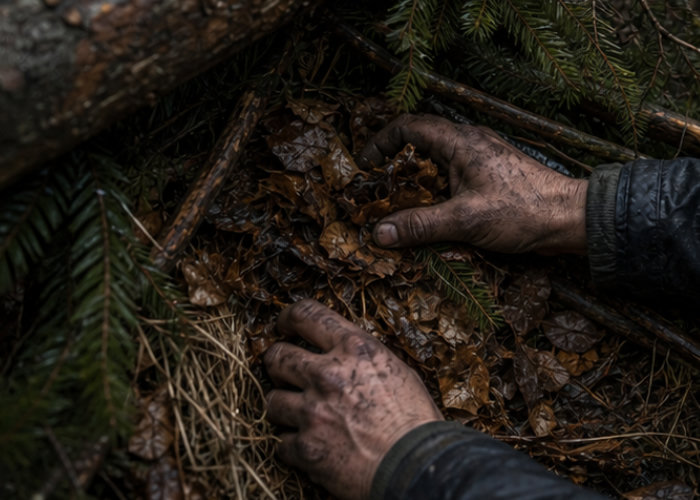
A shelter protects you from wind, rain, and cold ground. Even a simple lean-to can save energy and lower the risk of getting too cold at night.

How to do it

  • Use a fallen branch or a strong pole as the main support.
  • Lean smaller branches against it to make a sloped wall.
  • Cover it with leaves, grass, or pine branches to block wind.

Keep in mind

  • Do not build in a valley where water can collect.
  • Insulate the ground with dry leaves or branches before you lie down.
  • Stay close enough to your fire to benefit from heat, but not so close that sparks reach the shelter.
Step 3
Next step

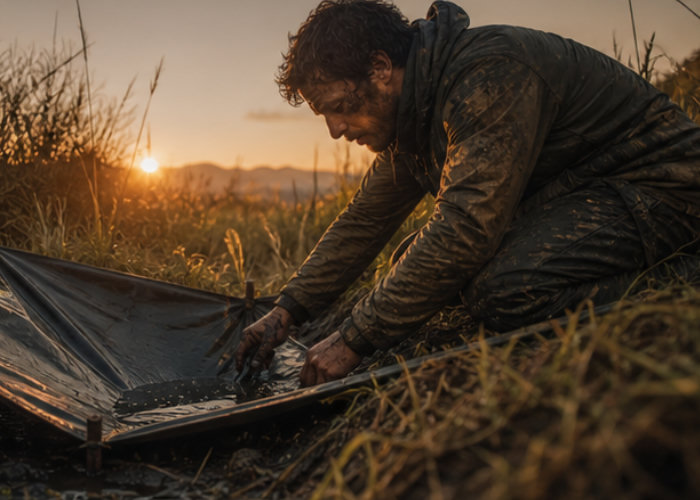
Find water

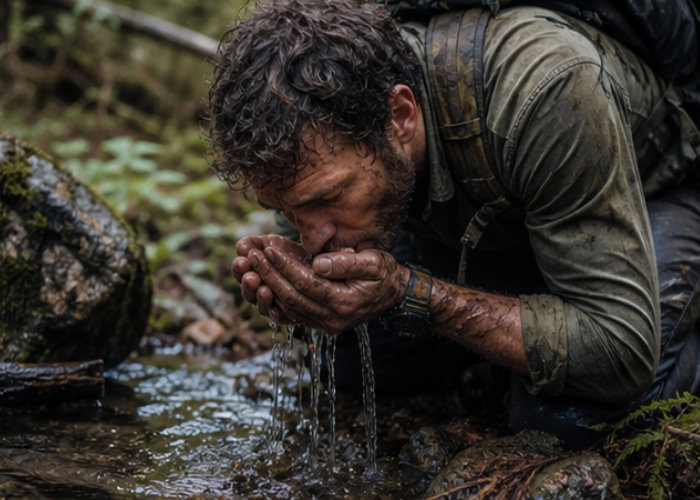
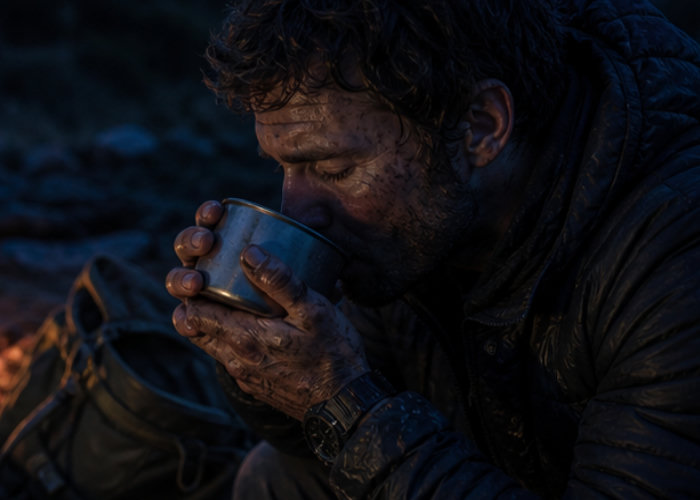
You can survive much longer without food than without water. Clear thinking, body temperature, and movement all depend on staying hydrated.

How to do it

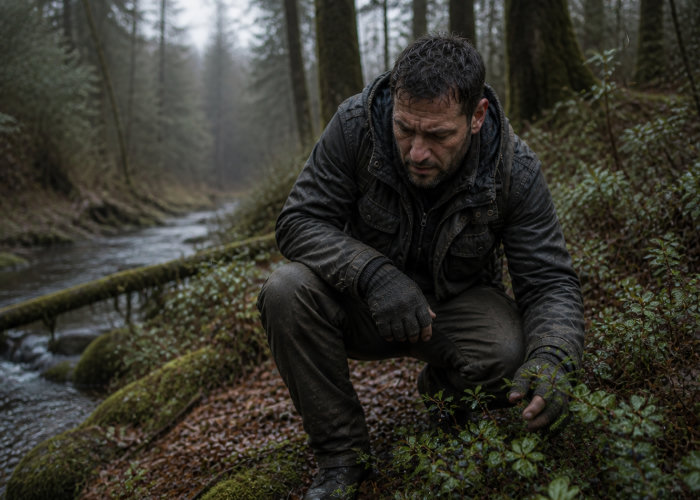
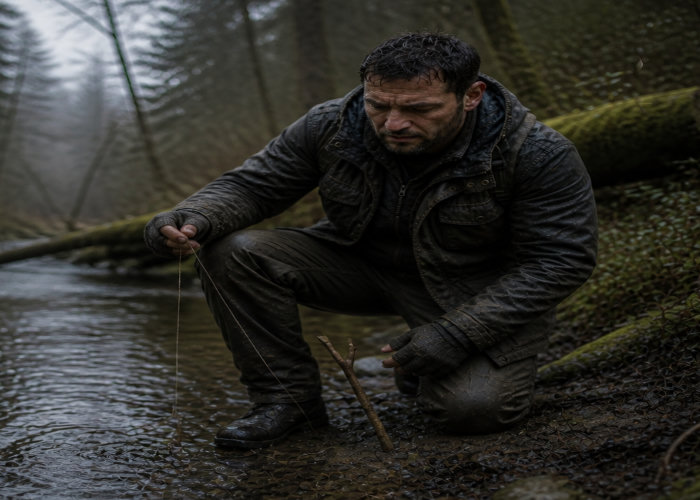
  • Look for streams, wet ground, or low areas where water may gather.
  • If possible, boil water before drinking it.
  • Collect water while it is still light so you do not need to search in the dark.

Keep in mind

  • Fast-moving water is usually better than stagnant water.
  • Do not waste energy walking too far if you already have enough for the evening.
  • Unsafe water can make your situation worse very quickly.
Step 4
Next step

Think about food

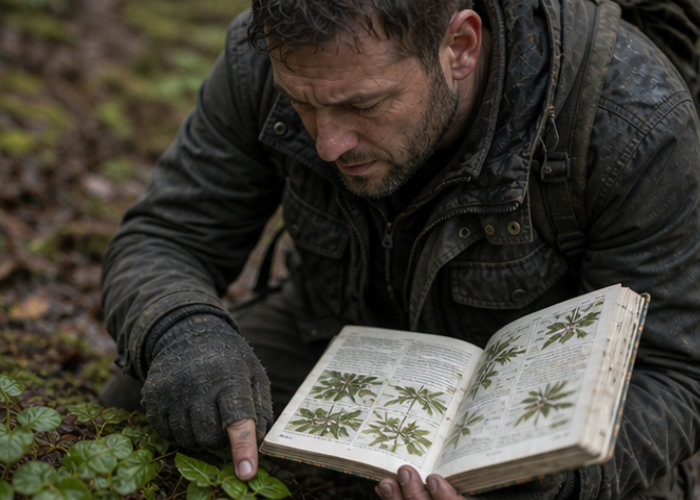
Food is not the first emergency problem, but small safe food sources can support your energy after the basics are covered. The main rule is simple: do not gamble with unknown plants.

How to do it

  • Only eat something if you can identify it with confidence.
  • Focus first on water and warmth before looking for calories.
  • Keep your effort low. Do not burn all your energy chasing food.

Keep in mind

  • Never eat a plant just because it looks familiar.
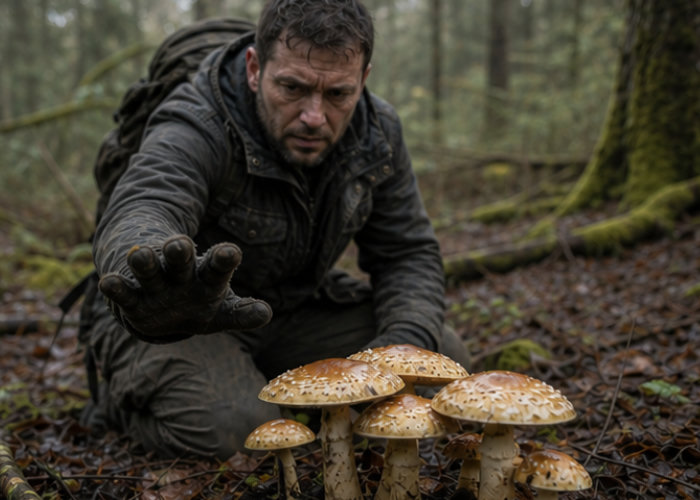
  • Avoid mushrooms unless you are an expert. Many dangerous ones look harmless.
  • If a plant is unknown, leave it alone.
Step 5
Next step

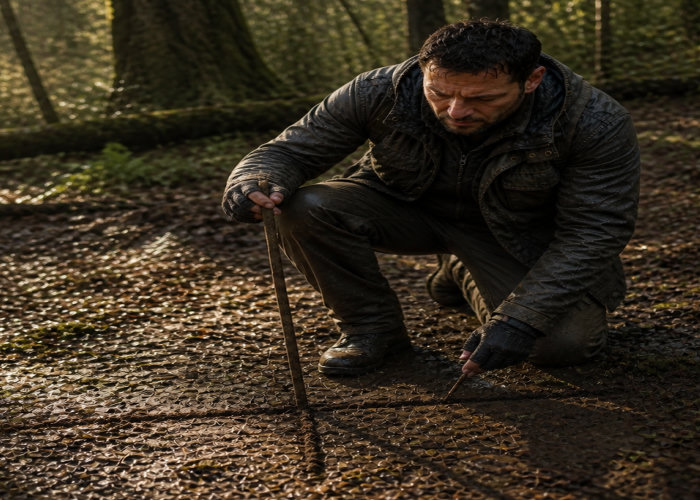
Use the sun for direction

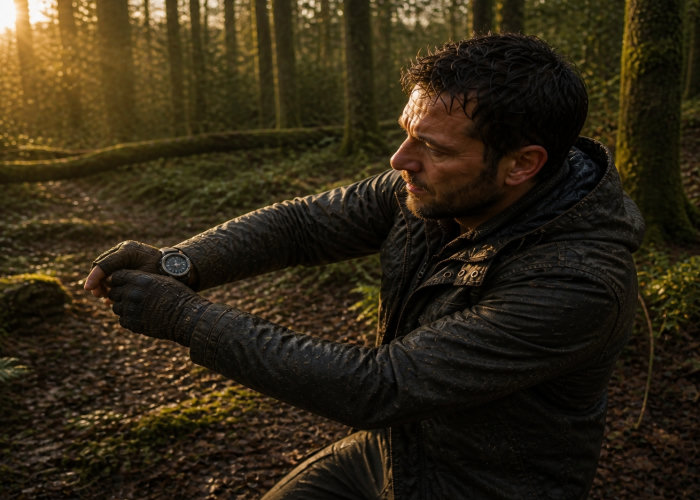
Direction matters because walking without a plan can waste time, water, and energy. The sun gives a rough orientation that helps you move more carefully.

How to do it

  • Push a straight stick into the ground in sunlight.
  • Mark the tip of the shadow, then wait and mark it again later.
  • The line from the first mark to the second gives you a rough east-west direction.

Keep in mind

  • This method is not perfect, but it is better than random movement.
  • Use landmarks so you can backtrack if needed.
  • If night is close, stay put and move in the morning.

Step 6
Final notes

Find the way home

Going home is the final goal, but only after you are warm, hydrated, and thinking clearly. A safe exit is more important than a fast exit.

How to do it

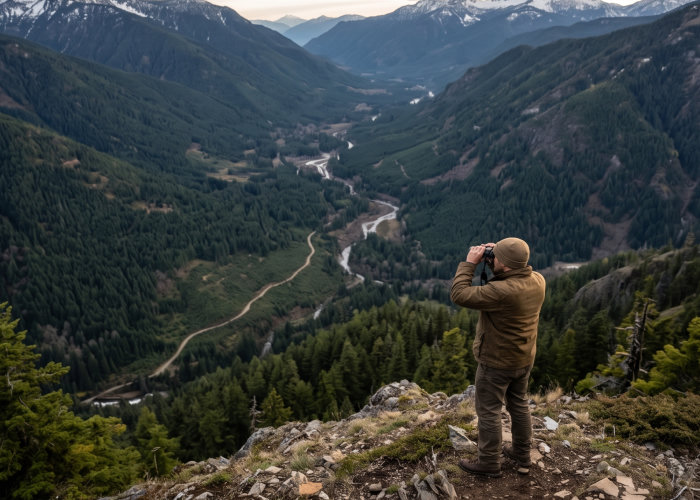
  • Look for paths, flowing water, cut wood, fences, or tracks that suggest human activity.
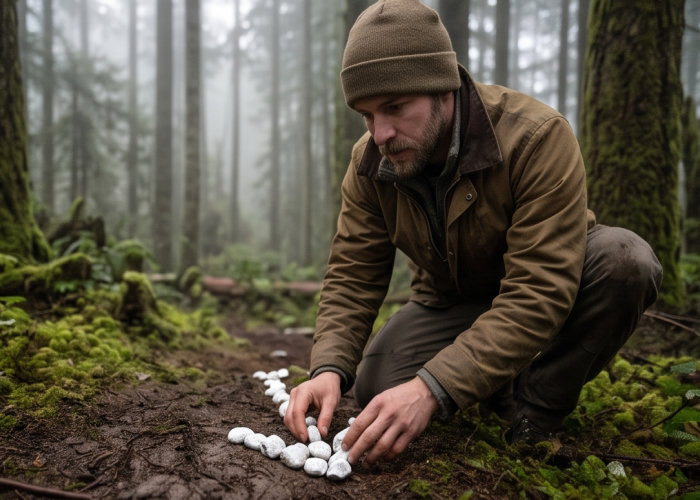
  • Move slowly and mark your route with sticks, stones, or natural signs.
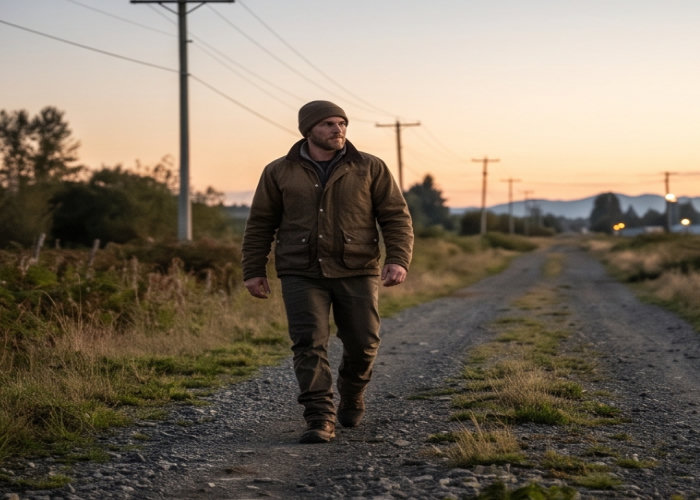
  • If you find a road or power line, follow it carefully toward signs of people.

Keep in mind

  • Do not keep changing direction every few minutes.
  • If you are injured, exhausted, or the light is fading, stay at your safe base and signal instead.
  • A calm, repeatable plan is safer than panic walking.
Important info

Before you move again

These short reminders help you avoid the mistakes that cause the most trouble.

Do not rush

Fast decisions often lead to injury, getting colder, or losing your shelter location. Slow and clear is stronger than fast and confused.

Protect your energy

Every unnecessary trip costs heat, water, and attention. Combine tasks when you move, then return to your safe area.

Keep a signal ready

Smoke, a bright cloth, noise, or an open clearing can help rescuers notice you. Make it easier for people to find you.

Use daylight well

Gather wood, water, and information before dark. Night is for staying safe, warm, and still whenever possible.